
Aeration and Overseeding: What It Does and When to Do It
Aeration and overseeding is a two-step lawn treatment. Aeration punches small holes in the soil, usually by pulling out plugs of dirt and thatch, so air, water, and nutrients reach the roots. Overseeding spreads grass seed over the existing lawn so seedlings settle into those holes and thicken thin turf. In Central Florida, the best window for a permanent lawn is late spring to early summer, and the treatment pays off when your soil is compacted, your lawn is thatchy, or your turf is thinning.
This article covers what the treatment does, how to prepare your lawn and what happens on the day, and how timing works in Florida, including fall. It also helps you decide whether aeration and overseeding is worth the cost on your lawn and what to look for in a local provider.
TWQ is a family-owned landscaping company with over 20 years of experience in Sebring and the surrounding area, and we offer aeration and overseeding to homeowners.
Why aeration and overseeding matters for your lawn
Aeration and overseeding matters because it fixes two problems at once: soil too tight for roots to grow, and turf too thin to crowd out weeds. Neither problem always shows up as an obvious bare patch, which is why many lawns decline slowly before an owner notices.
What it does for soil and roots
Foot traffic, mowers, and construction equipment squeeze soil particles together. Compacted soil blocks water and oxygen, so roots stay shallow and the grass struggles in dry spells. Thatch, the layer of dead stems and roots between the green blades and the soil, adds a second barrier to water and fertilizer.
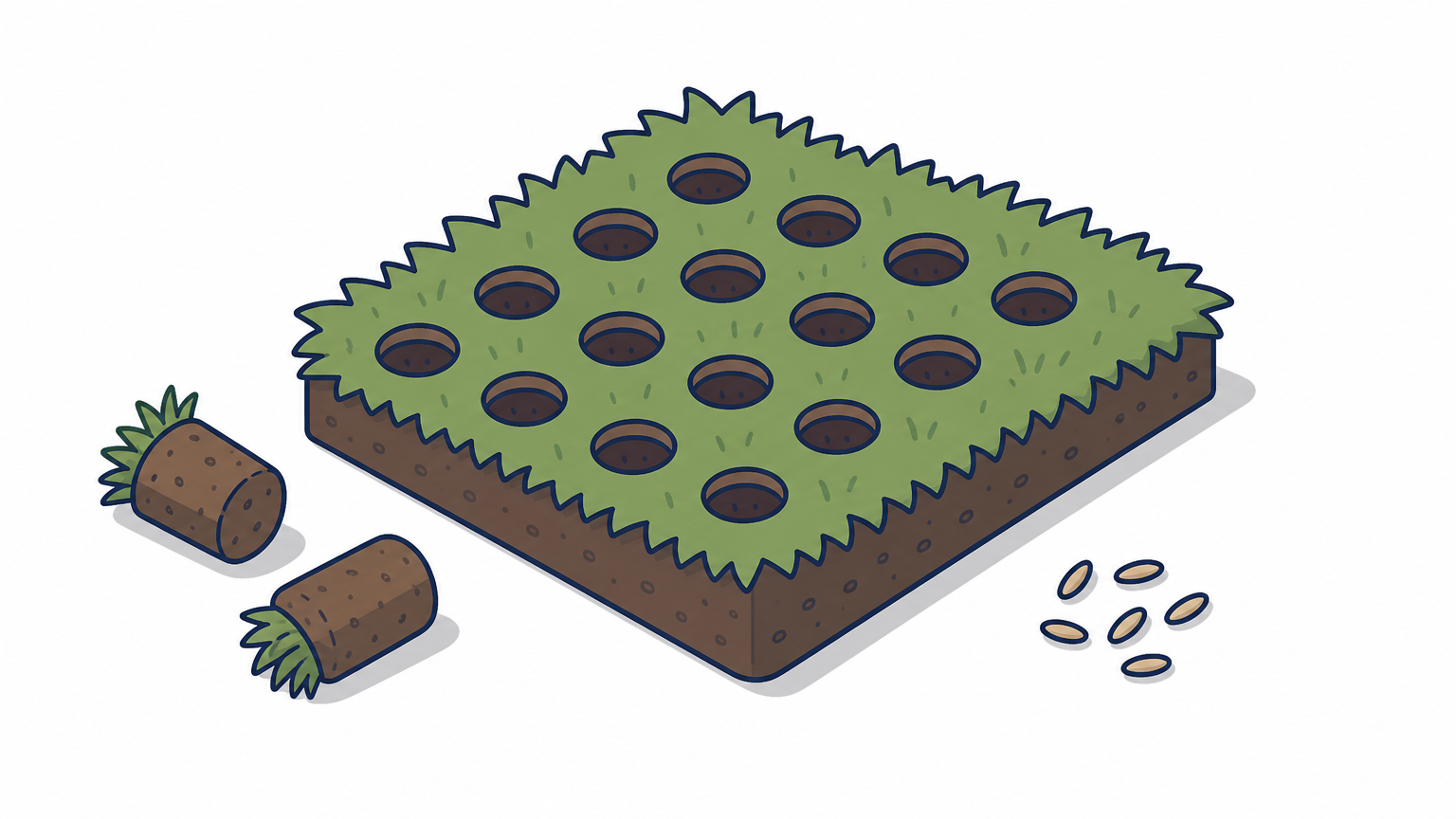
Core aeration pulls small plugs out of the lawn. Those plugs break down within one to two weeks and return nutrients to the turf. Overseeding then uses the holes as a protected seedbed , because seed that lands in an opening gets soil contact, moisture, and shelter. Over time you get denser grass that shades out weeds and tolerates traffic better.
Does aeration and overseeding work?
It works when it matches the cause of your lawn's problem. It does nothing for problems that come from above the soil line. Use this table to check your own lawn.
| Lawn problem | Does it help? |
|---|---|
| Thin turf from foot traffic or mowers | Yes |
| Hard soil, water pooling or running off | Yes |
| Thatch layer thicker than about half an inch | Yes, aeration helps break it up |
| Bare spots from heavy shade | No, fix the shade first |
| Weeds taking over | Not alone, add weed control |
| Damage from chinch bugs or other insects | No, treat the pests first |
Aeration opens the soil and overseeding fills it, but neither one fixes shade, pests, or poor mowing.
How to prepare for and do aeration and overseeding
Preparation takes about one day, the service itself is quick, and the aftercare in the following weeks decides whether the seed takes. Skipping any of the three is the most common reason people say it did not work.
Preparing your lawn
Prepare your lawn a day or two ahead with this checklist:
- Mow slightly lower than usual, without scalping the turf.
- Water deeply so the soil is moist but not soggy. Dry soil resists the aerator tines, and soggy soil clogs them.
- Mark sprinkler heads, valve boxes, shallow irrigation lines, cables, and invisible dog fences.
- Clear toys, furniture, and debris.
- Skip pre-emergent herbicide around overseeding time, because it blocks grass seed as well as weed seed.
- Confirm that the seed matches your grass type.
What happens on service day
Lawn core aeration and overseeding starts with a machine that makes overlapping passes in two directions . The holes should be about 2 to 3 inches deep and a few inches apart. Leave the plugs on the lawn, because they break down and feed the soil.
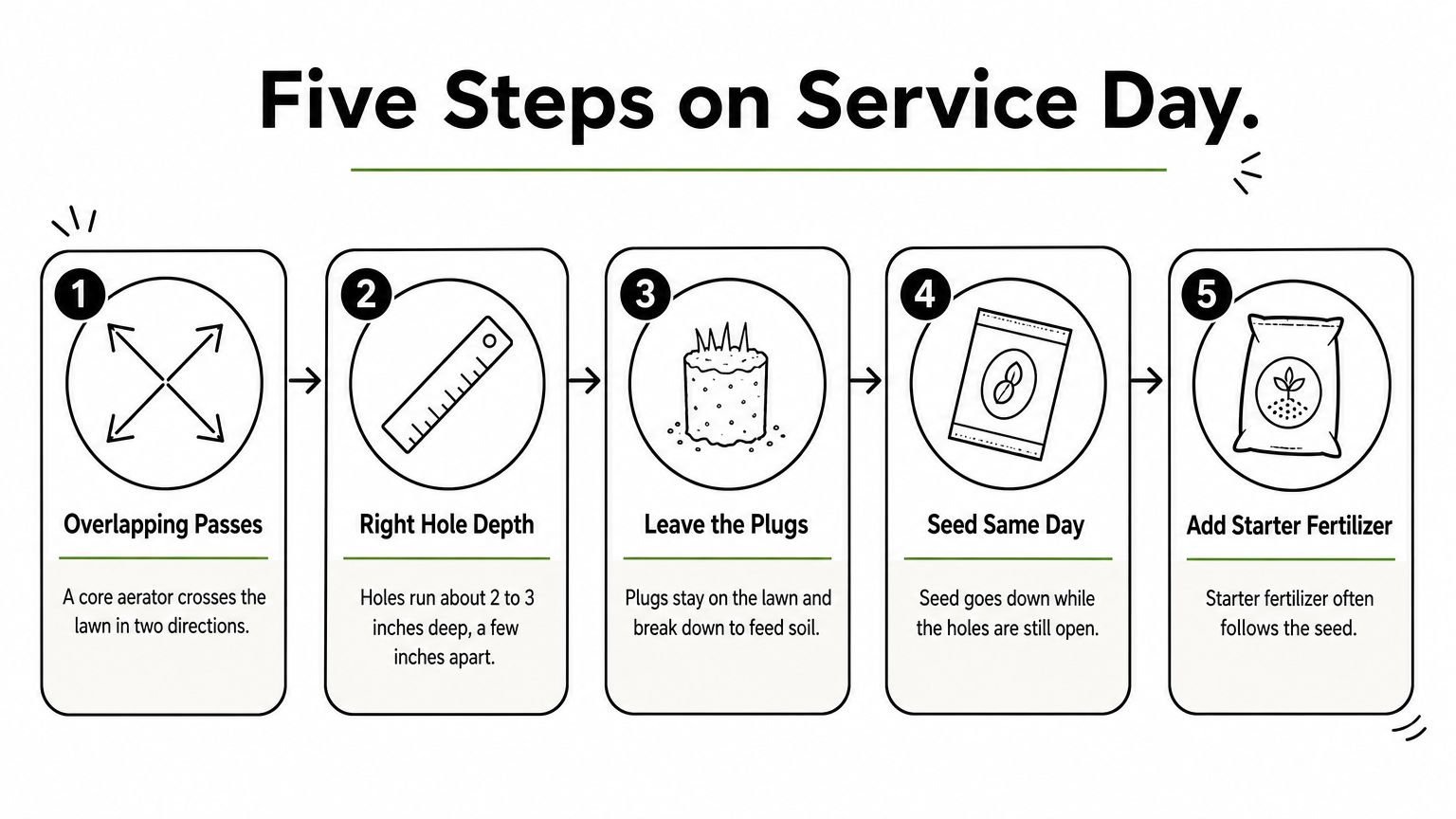
Seed goes down the same day, while the holes are open, and starter fertilizer often follows. A spike aerator only stabs holes without removing soil, and on clay it can make compaction worse. A true core aerator is what you want for this job.
Aftercare that decides the result
Water lightly several times a day to keep the top layer of soil moist until the seed germinates. Once seedlings appear, taper back to your normal schedule. Check your water management district's rules on watering new seed before you set the timer.
Hold off mowing until the seedlings are established, roughly 10 days after you see germination, and keep traffic light for a week or two.
Keeping the seed moist until it germinates matters more than any other step after the machine leaves.
When to do aeration and overseeding in Central Florida
For a permanent lawn in Central Florida, late spring to early summer is the right time, because warm-season grass is growing fast and recovers quickly. Fall is different here than up north, and the table shows why.
| Season | Best for | What to do |
|---|---|---|
| Late spring to early summer (about April to June) | Permanent warm-season lawns | Core aerate while grass is actively growing, then overseed with seedable types such as Bermuda or Bahia |
| Fall (about October to November) | Temporary winter color | Overseed Bermuda or zoysia with perennial ryegrass |
| Winter | Dormant or slow grass | Skip it |
Spring and summer for permanent lawns
Warm-season grasses such as St. Augustine, Bermuda, Zoysia, and Bahia thicken best when soil and air are warm. Aerating then lets the lawn heal the holes quickly. Seed only helps if your grass can be grown from seed. St. Augustine is usually repaired with sod or plugs, not seed.
Fall aeration and overseeding in Florida
Fall aeration and overseeding in Florida usually means seeding perennial ryegrass over a Bermuda or zoysia lawn that goes tan in winter. It gives you green color for the cool months. It is not a permanent thickening, since ryegrass fades as heat returns and can compete with your permanent grass during that transition. Most lawn pros advise against it on St. Augustine.
How late is too late
It is too late for warm-season seed once nights cool and growth slows, because the seedlings will not establish before dormancy. If you miss the window, wait until the following late spring.
In Florida, aerate and seed permanent grass when it is hot and growing, and treat fall ryegrass as seasonal color.
Is aeration and overseeding worth the cost?
Aeration and overseeding is worth the cost when your lawn has a compaction, thatch, or thinning problem that you can see. It is not worth doing on a calendar if your lawn is already thick and drains well.
When it pays off and when to skip it
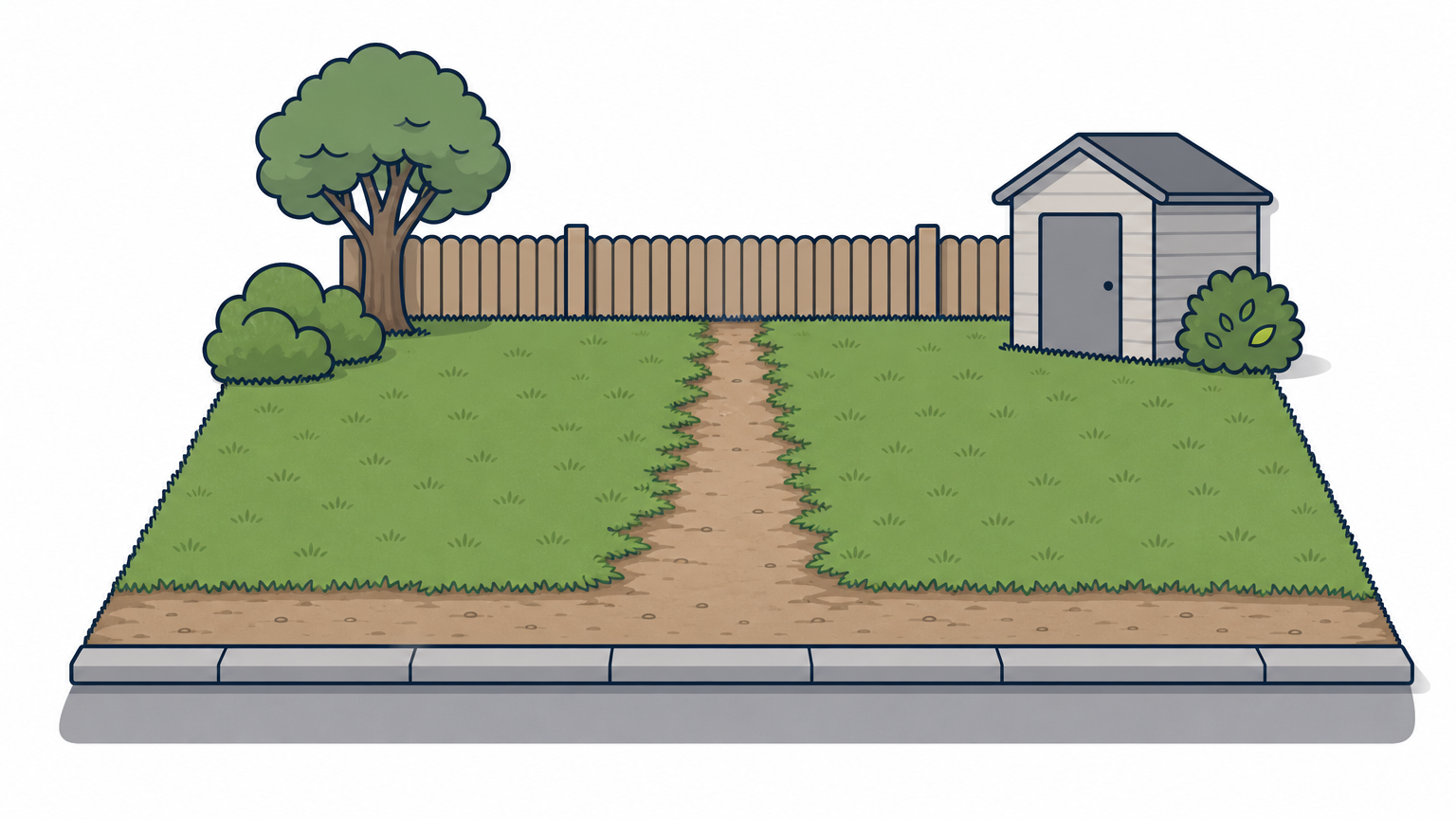
Take a 7,500 square foot Bermuda lawn with a worn path from the driveway to the backyard and a hard strip by the road. Aerating and seeding in late spring should fill in those damaged areas. If the same lawn is dense and soaks up water fast, skip it this year.
Heavy use or compacted soil justifies once a year . Many Florida lawns are sandy and compact less than clay lawns, so lower-traffic yards can go a year or two between treatments.
What drives the price
Lawn size, access, seed type, bare areas, and added fertilizer all change the total, so a written estimate on your actual lawn beats any average. DIY can make sense for a small lawn, roughly under 5,000 square feet, if you are comfortable renting a heavy machine. On a larger lawn, hiring a pro saves you the physical work and the timing risk.
Choosing a local provider
Ask any provider whether they use a core aerator, how they pick seed for your grass type, and what aftercare instructions you will get. TWQ offers aeration and overseeding in Sebring, Lake Placid, Avon Park, and Okeechobee, using professional equipment and seed blends tailored to your property. We are licensed and insured.
Our estimates are free and carry no obligation. We respond within one business day, confirm details by phone, walk your property, and send a written estimate.
A good provider matches the seed and timing to your grass, not to a standard package.
Match the treatment to your lawn
Aeration and overseeding relieves compaction and thatch, then fills thin areas with new grass. In Central Florida, do it in late spring to early summer for a permanent lawn, and treat fall overseeding as seasonal ryegrass color. Prepare the soil, keep the seed moist, and be honest about whether your lawn actually has a problem the treatment can fix.
If your turf is thin, hard, or thatchy, you can request a free estimate from TWQ and we will walk the property with you and provide a written estimate.