
Aeration for Lawn: How to Do It and When It's Needed
If your lawn feels spongy, water pools on the surface, or your grass looks tired no matter how much you water and fertilize it, compacted soil is probably the culprit. Aeration for lawn health is one of those maintenance steps homeowners skip until the grass starts thinning out and weeds move in. By then, the soil has usually been compacted for a year or more.
Aeration simply means pulling small plugs of soil out of your lawn so air, water, and nutrients can actually reach the roots instead of sitting on top of hard-packed dirt. It's not complicated, but timing and technique matter. Do it at the wrong time of year or with the wrong equipment, and you can stress grass that was already struggling.
This guide walks you through why lawns compact in the first place , how to tell if yours needs it, and the step-by-step process for aerating on your own with a rented core aerator. We'll also cover the best season to aerate Florida turf, how it pairs with overseeding, and when it makes more sense to bring in a crew like ours instead of tackling it yourself.
Why lawn aeration matters
Soil compaction happens for reasons most homeowners never think about. Kids and pets running the same paths, riding mowers passing over the same stripes every week, and Central Florida's sandy-clay soil all pack down the ground over time. In Sebring and the surrounding areas, sandy soil actually compacts faster than you'd expect once it's been driven over or walked on repeatedly, leaving almost no pore space for air and water movement .
Once soil gets that dense, roots stop growing deep. Grass roots need oxygen just as much as they need water, and compacted dirt starves them of it. You'll notice thinning patches, increased thatch buildup , and grass that wilts fast even after a good rain because water runs off instead of soaking in. Weeds love this environment. They tolerate compaction better than turfgrass, so a compacted lawn slowly turns into a weed lawn even if you're keeping up with lawn fertilization and weed control treatments on schedule.
A lawn that can't breathe underground will never look healthy on top, no matter what you spray on it.
Aerating breaks that cycle. Pulling plugs of soil out mechanically opens channels for oxygen, water, and nutrients to reach the root zone again, and it gives roots room to spread deeper, which makes the whole lawn more drought-tolerant. Here's a quick comparison of what changes:
| Condition | Compacted lawn | Aerated lawn |
|---|---|---|
| Water absorption | Pools or runs off | Soaks in within minutes |
| Root depth | Shallow, weak | Deeper, more resilient |
| Weed pressure | High | Reduced over time |
| Fertilizer efficiency | Poor, sits on surface | Reaches root zone |
That's the case for treating soil aeration as routine lawn care, not a last resort. If your yard is showing any of these signs already, testing whether it needs aeration is the logical next step.
Step 1. Check if your lawn needs aeration
Grab a screwdriver test before you rent any equipment. Push a regular screwdriver into your lawn in a few different spots. If it slides in easily to about six inches, your soil is fine. If you're fighting to get it past two or three inches, that's compacted ground that needs attention.
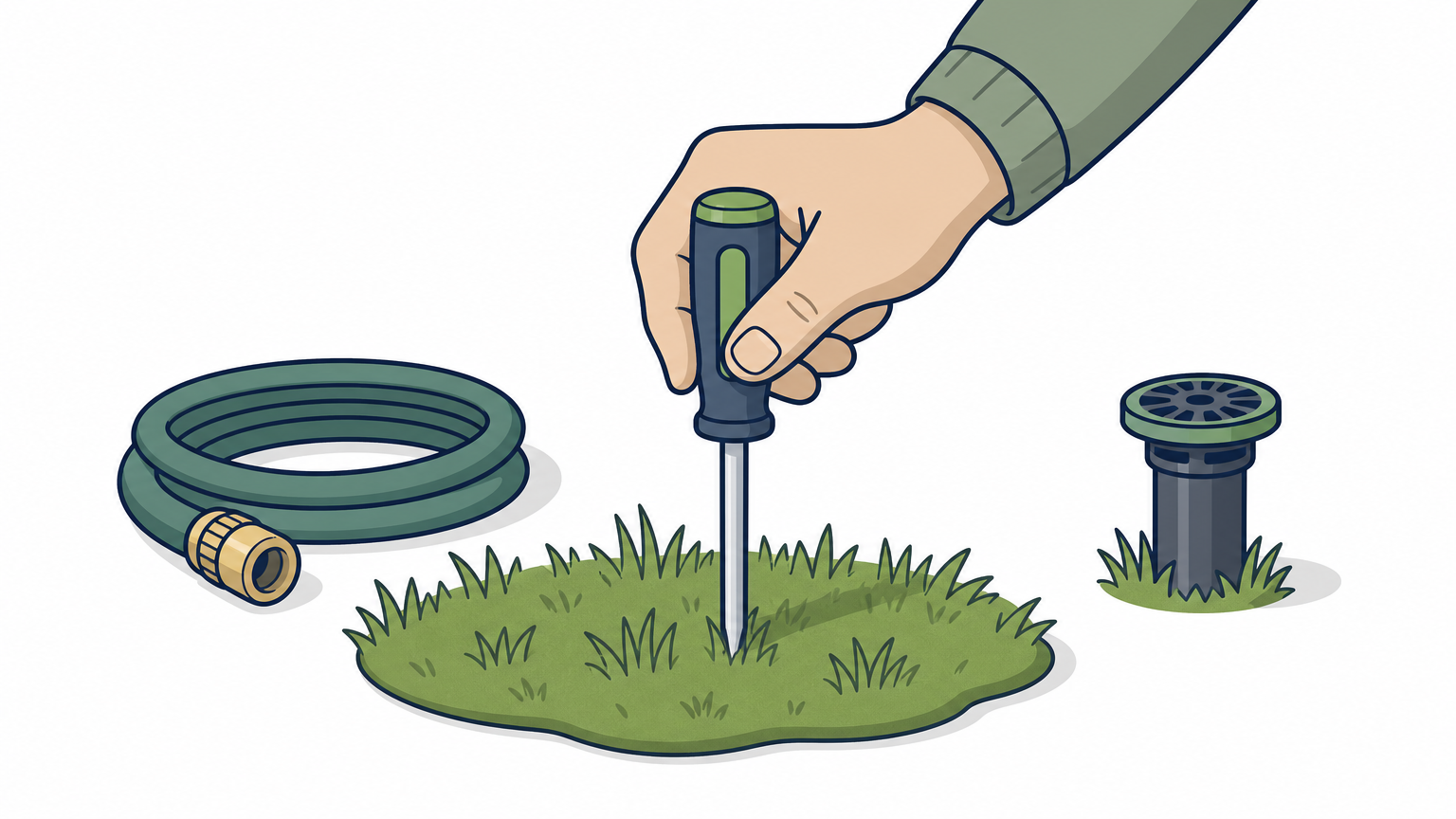
Watch how water behaves during your next rain or sprinkler cycle too. Puddling that sits for more than a few minutes instead of soaking in is a clear sign the soil surface has sealed up, and persistent standing water problems may need a drainage fix beyond aeration. Grass that looks thin in high-traffic paths, like along fence lines or where the mower always turns, points to the same problem.
If a screwdriver won't go into your soil, neither can the water and air your grass needs.
Here's a quick checklist to run through:
- Screwdriver sinks less than 3 inches
- Water pools instead of absorbing
- Thinning grass in high-traffic zones
- Thatch layer thicker than half an inch
- No aeration done in the last 12 to 18 months
Check two or more boxes, and it's time to move to prep.
Step 2. Gather tools and prep the lawn
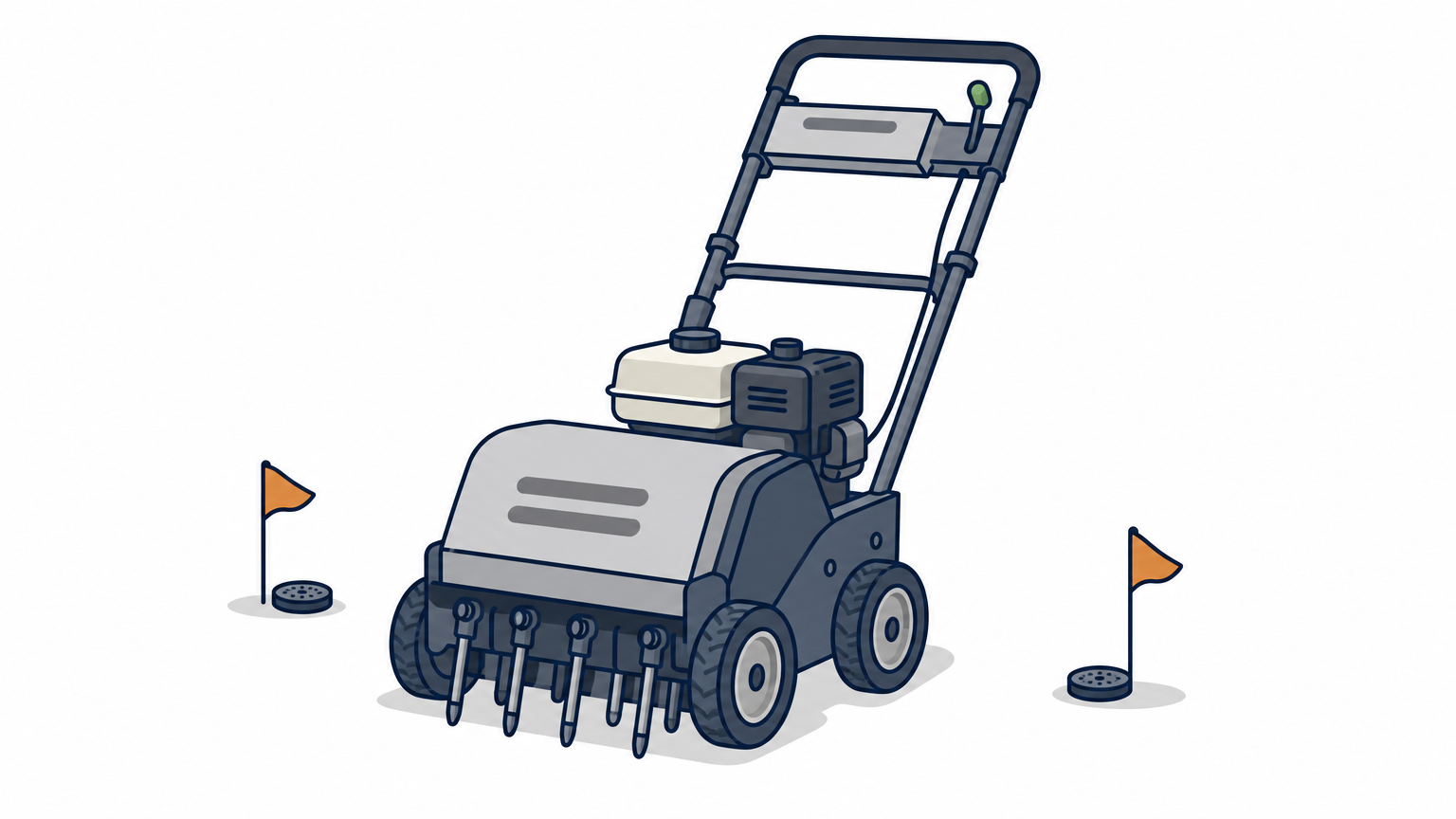
Renting the right machine matters more than most homeowners expect. A core aerator , sometimes called a plug aerator, pulls actual soil cores out of the ground and drops them on the surface. Spike aerators just poke holes and compact the soil around them further, which defeats the purpose. Most home improvement stores in the Sebring area rent core aerators by the day for $60 to $90, and one afternoon is usually enough for a typical residential lot.
Mow your lawn short, about a third lower than normal, a day or two before you aerate. This gives the machine less grass to fight through and better access to the soil.
Water the lawn deeply the day before too. Dry, hard soil resists the tines and leaves shallow, useless holes.
Aerating dry soil is like trying to punch through concrete instead of dirt.
Before you start the machine, run through this checklist:
- Mark sprinkler heads and shallow utility lines with flags (a sprinkler system inspection beforehand helps you find them all)
- Mow grass shorter than usual
- Water thoroughly 24 hours ahead
- Confirm the aerator's tines are at least 2 to 3 inches long
Step 3. Aerate the lawn correctly
Run overlapping passes
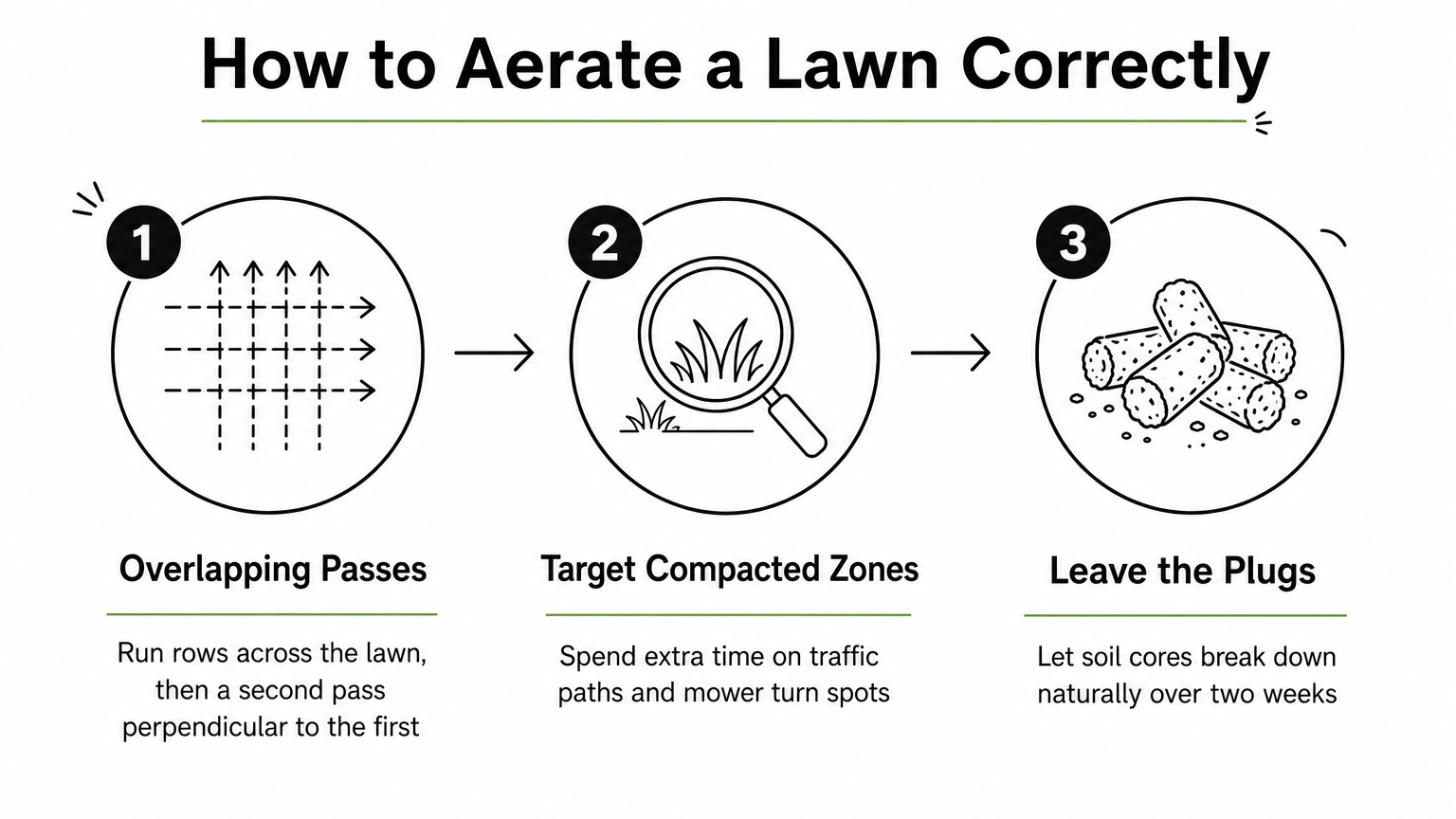
Push the core aerator across your lawn in straight rows, overlapping each pass slightly so you don't miss strips of soil. Then turn the machine and run a second pass perpendicular to the first , crisscrossing the yard for even plug spacing . Two directions catch spots a single pass skips, especially near curves and edges where the machine naturally drifts.
Focus on compacted zones first
Spend extra time on the areas that failed your screwdriver test, like traffic paths and mower turn spots. A healthy lawn only needs one full pass, but compacted ground benefits from a second run over the worst patches. Aim for plugs spaced about 2 to 3 inches apart across the whole yard.
Two overlapping passes do more for compacted soil than one aerator running twice as slow.
Leave the soil plugs where they land
Resist the urge to rake up the cores sitting on your lawn afterward. Those plugs break down within a couple of weeks, returning organic matter and microbes to the surface, and raking them off just wastes the work you did pulling them up in the first place.
Step 4. Fertilize, overseed, and water after aerating
Open soil right after aerating is the best window all year to add fertilizer and grass seed. The holes you just created let both sink straight to the root zone instead of sitting on top of thatch, so this is when overseeding actually works instead of just feeding the birds.
Spread seed and starter fertilizer immediately
Apply a starter fertilizer along with any overseeding blend within a day of aerating, while the holes are still open. Use a broadcast spreader for even coverage, and go over thin or high-traffic patches twice.
The holes you just punched close up fast, so seed and fertilizer only work if you get them down right away.
Water on a strict schedule
Keep the top inch of soil moist for the first two weeks:
- Days 1 to 7: light watering twice daily, 10 minutes each
- Days 8 to 14: once daily, 15 to 20 minutes
- After week 2: shift to your normal deep, infrequent watering routine
Skip mowing until new grass reaches about three inches tall. Rushing this step wastes the whole aeration for lawn project you just finished.
Keeping your lawn healthy year-round
Aeration isn't a one-time fix you check off and forget. Central Florida's sandy soil compacts again within a year, especially in yards with kids, pets, or regular foot traffic, so plan on repeating this process annually. Pair it with the aeration for lawn basics you now know, and you'll spend less on fertilizer and water because the soil actually uses what you give it instead of shedding it.
Grass that drinks and breathes properly resists weeds and drought on its own, which means fewer emergency treatments later in the season. Timing still matters most, so mark your calendar for late spring once soil temperatures warm up.
Some yards, though, have compaction too severe or too widespread for a rented machine and a free Saturday. If your screwdriver test failed everywhere or you'd rather leave the equipment rental to someone else, reach out to our team at TWQ about professional lawn aeration and overseeding in Sebring and we'll handle the whole job, follow-up care included.