
Cost for Sprinkler System Repair: What You'll Actually Pay
Your sprinkler heads are spraying the sidewalk instead of your lawn, a zone won't turn on, or your water bill just jumped for no obvious reason. Before you call anyone, you want a real number, not a vague "it depends" answer. The cost for sprinkler system repair in Central Florida typically runs anywhere from $75 for a simple valve fix to $500 or more for a major mainline break, and knowing where your problem falls on that scale helps you spot a fair quote from an inflated one.
Most homeowners searching for sprinkler repair cost just want to know if the estimate they got is reasonable before they commit. The answer depends on what's actually broken: a cracked head, a stuck valve, a controller malfunction, or a buried line that needs digging up. Each of those has its own price range, and labor rates in this area typically add $50 to $100 per hour on top of parts.
In this article, we break down the cost of sprinkler system repair by problem type, explain what drives prices up, and show you what a licensed technician in Sebring and the surrounding area should charge for common fixes.
Why sprinkler repair costs vary so much
Ask five different homeowners what they paid for a sprinkler fix and you'll get five different answers, and none of them are wrong. Sprinkler system repair costs swing so widely because the phrase covers everything from a five-minute head swap to a full day of trenching and pipe replacement. Understanding the variables behind your specific quote is the fastest way to know if you're being charged fairly.
The type of problem drives the price
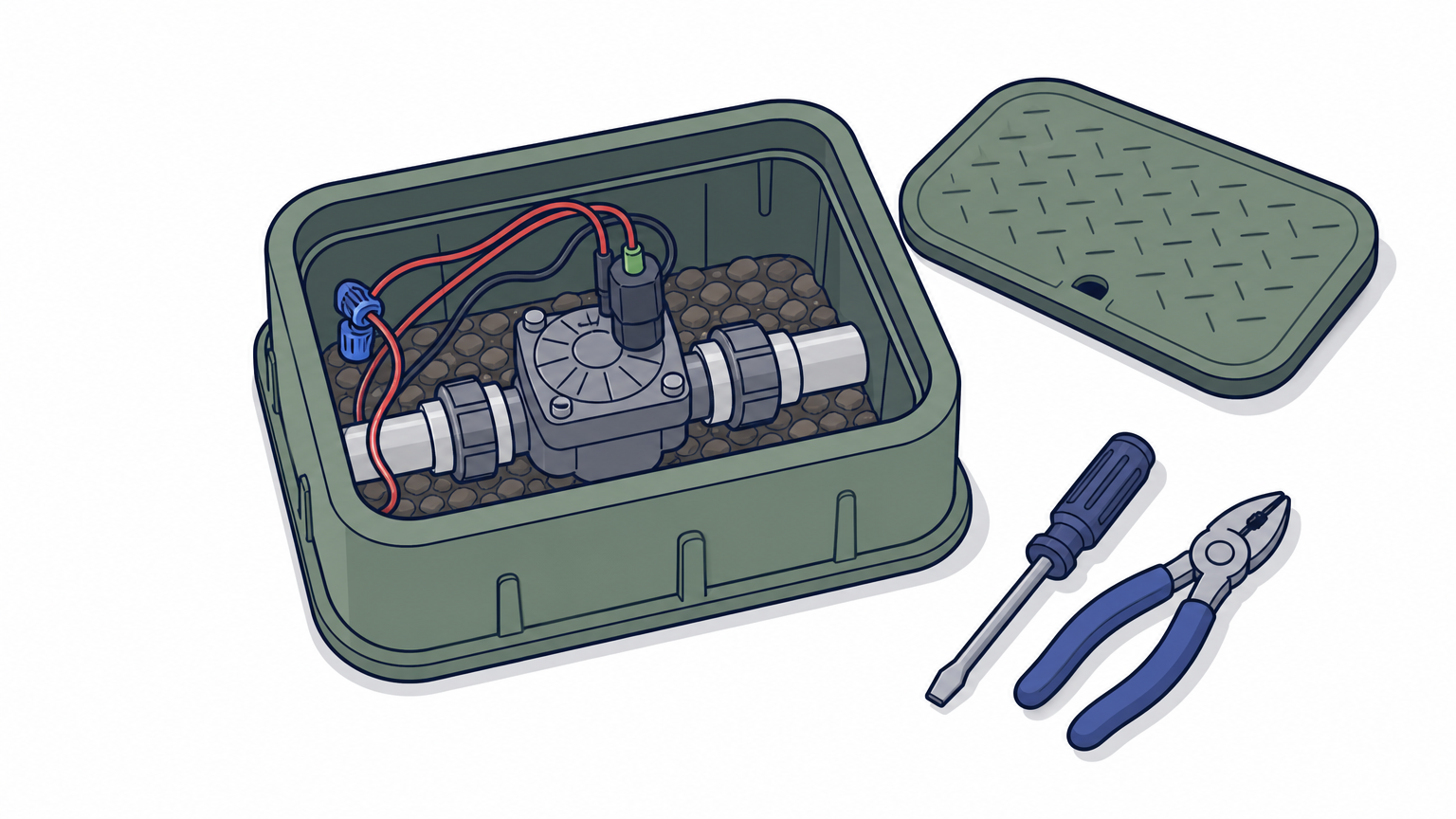
Most of the cost difference comes down to what actually failed. A broken sprinkler head is cheap and fast to fix, often under $100 including parts, because the technician just unscrews the old head and threads in a new one. A failed solenoid valve or a bad wire connection takes more diagnostic time and can run $100 to $250. A cracked mainline, especially one buried under a driveway or landscape bed, requires digging, pipe repair, and backfilling, which is why those jobs frequently land between $300 and $600 or higher depending on depth and access.
The single biggest factor in your bill isn't the technician, it's which part of the system actually failed.
Where the damage sits underground
Location matters almost as much as the type of damage. A leak in an easily accessible zone near the surface takes minutes to expose. A leak under a paver patio, a root system, or a concrete walkway means extra labor for excavation and repair afterward, sometimes including hardscape restoration. Underground damage location is one of the top reasons two quotes for what sounds like the same problem can differ by hundreds of dollars. If a technician has to remove and reset pavers or cut through a slab, expect that line item to show up separately on your invoice.
System age and part availability
Older systems, especially those installed more than 15 years ago, often use valves, controllers, or head models that manufacturers no longer produce. Finding a compatible replacement part sometimes means retrofitting a newer component to fit old plumbing, which adds labor time even though the part itself might be inexpensive. Newer systems, by contrast, use standardized parts that most irrigation supply houses stock, so replacement part costs stay predictable and the repair moves faster.
Who you hire and how they price the job
Pricing structure varies by company too. Some contractors charge a flat diagnostic or trip fee, typically $50 to $95 in Central Florida, then add parts and labor on top. Others fold everything into a single flat-rate quote once they've seen the problem. Neither approach is inherently better, but it's worth asking upfront which model your technician uses so you're not surprised by a bill that has three separate line items instead of one number.
Here's a general breakdown of what shapes the final price on a typical service call:
| Cost Factor | Low-Cost Scenario | High-Cost Scenario |
|---|---|---|
| Type of failure | Cracked spray head | Mainline break under hardscape |
| Access to the problem | Open turf area | Under a driveway or slab |
| System age | Standard modern parts | Discontinued valves or controllers |
| Number of zones affected | Single zone | Multiple zones or a shared main line |
| Company pricing model | Flat diagnostic fee | Hourly labor plus parts markup |
Emergency calls and seasonal demand
Timing affects your quote as well. A repair scheduled during a slow week in the off-season often costs less than an emergency call placed after hours or during peak spring startup season, when every irrigation company in the county is booked solid. If your system is actively flooding a bed or wasting significant water, paying a small premium for a same-day visit usually beats letting the damage or your water bill grow while you wait for a cheaper slot.
Size and complexity of the overall system also play a role that's easy to overlook. A property with four zones and a simple controller costs less to service across the board than a commercial site with a dozen zones, backflow preventers, and a smart controller tied into a larger irrigation design. If your irrigation system was custom-designed with multiple valve manifolds or zone splits, diagnosing which section failed can take longer than the actual repair itself. That's part of why a professionally planned irrigation system design and installation in Sebring FL pays off over time: a technician who already knows your layout can pinpoint problems faster than one seeing your system for the first time.
All of these variables explain why a phone quote is never as reliable as an in-person diagnosis. Once you understand what's driving the range, you're in a much better position to ask the right questions before a technician even shows up, which is exactly what the next section covers.
How to get an accurate repair estimate
Getting a number you can trust starts before the technician ever knocks on your door. Most bad experiences with sprinkler repair costs come from a rushed phone estimate that didn't account for what's actually wrong underground. If you want a quote that holds up once the work starts, you need to give the contractor enough information to diagnose the problem, not just describe the symptom.
What to check before you call
Walk your system first and note what you see. A few minutes of observation can shave real money off your final bill because it cuts down on the diagnostic time a technician needs on-site. Before you pick up the phone, run through this:
- Turn on each zone manually and watch for pooling water, weak pressure, or heads that don't pop up
- Note which zones are affected, one zone points to a localized issue, multiple zones often means a mainline or valve problem
- Check your water meter for movement when the system is off, a spinning dial suggests a hidden leak
- Look for soggy patches, sunken turf, or unusually green strips of grass that hint at underground damage
- Take photos or a short video of anything unusual to show the technician
Handing a contractor this kind of detail up front usually gets you a tighter, more accurate quote instead of a wide range that gets padded to cover uncertainty.
Questions that separate a real quote from a guess
Asking the right questions before work begins protects you from surprise line items later. A trustworthy company will answer these without hesitation:
- Is the diagnostic fee applied toward the repair cost, or is it separate?
- Does the quote include parts, labor, and any necessary landscape restoration?
- What happens if the problem turns out to be more extensive than expected?
- Is there a warranty on the parts and labor?
- Are you licensed and insured for irrigation work in this county?
A quote that can't survive these five questions isn't a real quote yet.
If a technician can't give you straight answers here, that's usually a sign they're pricing the job on the fly rather than from experience.
Get it in writing before anything gets dug up
Requesting a written estimate matters just as much as asking the right questions. Verbal quotes have a way of drifting once a technician starts trenching and finds something worse than expected. A written estimate should break out the diagnostic fee, parts, labor, and any hardscape repair separately, so you know exactly what you're paying for and can compare it against a second opinion if needed.
Comparing more than one estimate is worth the extra day it takes, especially for anything beyond a simple head replacement, and a few tips for vetting a sprinkler repair company near you make that comparison easier. Two companies looking at the same cost to repair sprinkler system problem can land on very different numbers depending on how they price parts markup or trip charges. That gap is normal, but it only becomes useful information once you have it in writing from more than one source.
Setting up a maintenance relationship with a company that already knows your system removes a lot of this guesswork going forward. A technician who's serviced your property before doesn't need to re-diagnose your layout every time something breaks, which keeps future estimates faster and more accurate from the start.
Typical costs for common sprinkler repairs
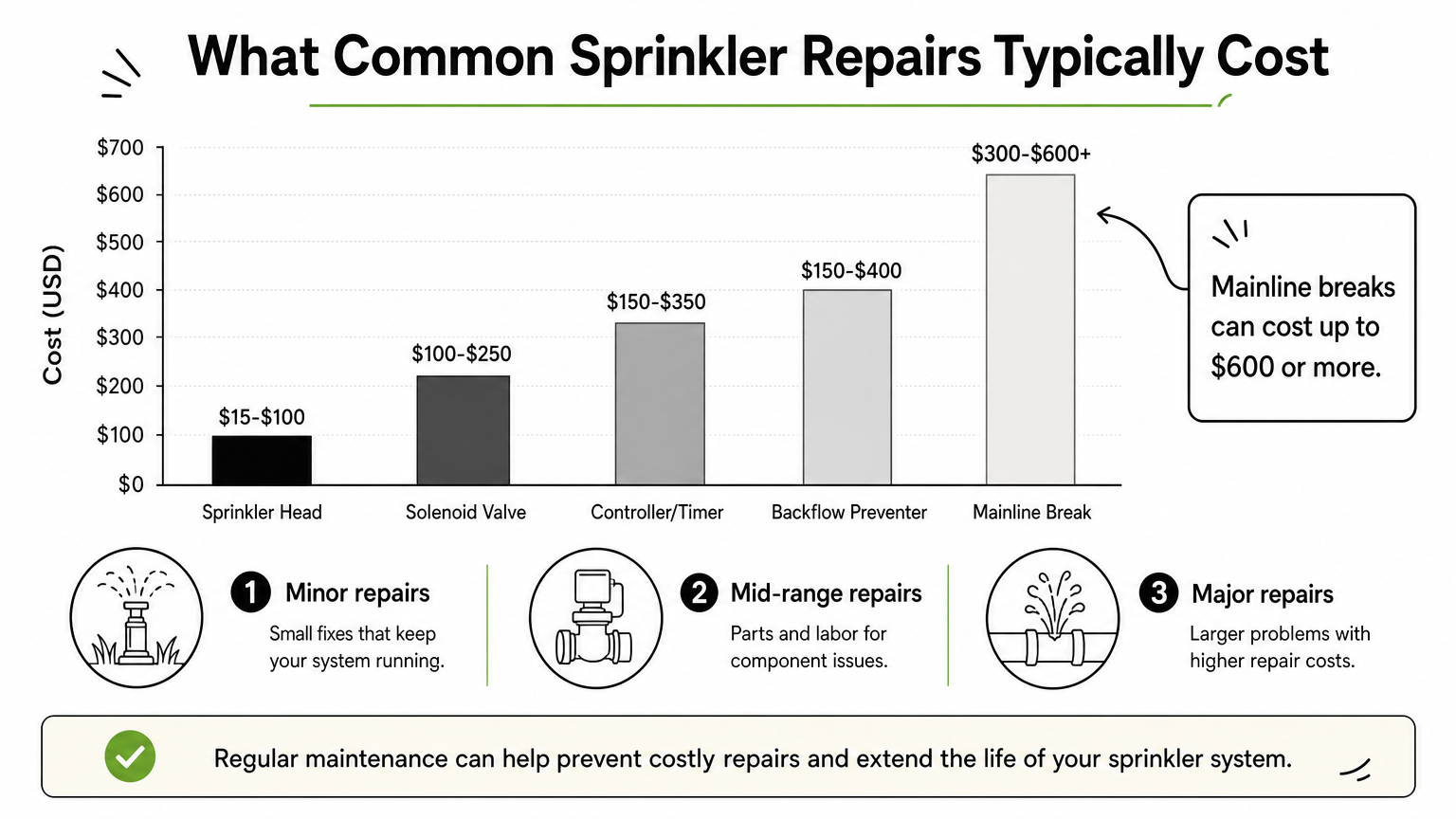
Once you understand what drives price variation, it helps to see actual numbers side by side. The table below reflects what a licensed technician in Sebring and the surrounding Central Florida market typically charges for the repairs homeowners call about most, and it helps to know how to find irrigation systems repair in your area before you compare numbers. These figures include both parts and labor for a straightforward job with easy access; add more if the damage sits under hardscape or involves multiple zones.
| Repair Type | Typical Cost Range | What's Usually Included |
|---|---|---|
| Sprinkler head replacement | $15 - $100 per head | Removing old head, installing new one, adjusting spray pattern |
| Broken or leaking pipe (shallow) | $75 - $200 | Locating leak, cutting and gluing new PVC section |
| Solenoid valve replacement | $100 - $250 | Diagnosing electrical fault, replacing valve, testing zone |
| Controller/timer replacement | $150 - $350 | New unit, wiring reconnection, programming zones |
| Mainline break repair | $300 - $600+ | Excavation, pipe repair, backfill, sod or mulch restoration |
| Backflow preventer repair | $150 - $400 | Testing, part replacement, code compliance check |
A single sprinkler head costs less to fix than a single dinner out. A mainline break can cost as much as a month of car payments.
Sprinkler heads and nozzles
Because heads sit close to the surface and thread onto standard risers, this is the fastest and cheapest fix in the entire system. Diagnosing a bad head is usually obvious: it's cracked, sunk below grade, or spraying at the wrong angle. Nozzles alone can run as little as $5 to $15 if the head body is fine and only the tip needs swapping, which is why a technician will always check the nozzle before recommending a full head replacement, and why fixing a sprinkler head yourself is realistic for many homeowners.
Valves and solenoids
Valves control which zone gets water, so a bad one either floods a zone constantly or shuts it off entirely. Testing a solenoid valve takes more time than swapping a head because the technician has to rule out wiring, the controller, and the valve itself before replacing anything. Expect the labor portion of this repair to run higher relative to the parts cost, since diagnosis, not the part, eats most of the bill.
Controllers and wiring
When zones fire on the wrong schedule or don't fire at all, the controller or the wiring feeding it is often the culprit. Replacing a fried timer is usually a flat parts-and-labor job, but tracing a wire break underground can add real time to the invoice. Weather damage from Florida's summer storms is a common cause here, so surge protection is worth asking about once you're past the immediate repair.
Mainline breaks and backflow preventers
Mainline damage sits at the top of the price range because it usually means digging, and digging means labor hours. A break under a driveway, patio, or mature landscaping bed pushes costs toward the higher end of the range in the table above, especially if hardscape needs to be removed and reset afterward. Backflow preventer issues carry an added wrinkle: many counties require these repairs to be tested and certified, so factor that inspection fee into your total when comparing quotes for this specific repair.
Repair or replace: making the right call
Sometimes the smarter move isn't fixing what broke, it's replacing the whole zone or even the whole system. Sprinkler system repair costs add up fast when you're patching the same aging parts every few months, and at some point you're throwing money at a system that's telling you it's done. Knowing when to stop repairing and start replacing saves you from paying for the same problem twice.
When repair still makes sense
Generally, if the system is under 10 years old and the failure is isolated to one component, repair is the right call. A cracked head, a single bad valve, or a controller that finally gave out after a lightning strike are all normal wear-and-tear issues on a system that's otherwise sound. Fixing these individually keeps your cost of sprinkler repair low and extends the life of parts that are still working fine. There's no reason to replace an entire zone because one valve failed, that's like replacing a car engine because one spark plug went bad.
When replacement starts making more sense
Older systems tell you when they're ready to be replaced, you just have to know what to look for. Watch for these signs:
- You've called for repairs three or more times in the past year
- Parts for your controller or valves are discontinued and every fix requires a workaround
- Your water bill keeps climbing even after each repair is completed
- Multiple zones fail around the same time, suggesting the whole layout is aging out together
- The system predates modern water-saving heads and doesn't support smart controllers
If you've paid for the same zone three times this year, you're not repairing a system, you're renting one.
Once you're hitting two or more of those signs, get a comparison quote for a partial or full system replacement before agreeing to another repair. It often costs less over three years than a string of one-off fixes.
Comparing the real cost over time
Running the numbers side by side makes the decision easier than it feels in the moment. A single repair might look cheap next to a replacement quote, but that comparison only holds if it's truly a one-time fix.
| Scenario | Typical Repair Cost | 3-Year Outlook |
|---|---|---|
| One-time head or valve failure | $100 - $250 | No further cost expected |
| Repeated valve failures on old system | $150 - $250 each visit | $600+ across multiple visits |
| Aging controller with discontinued parts | $200 - $350 per fix | Full controller replacement often cheaper long term |
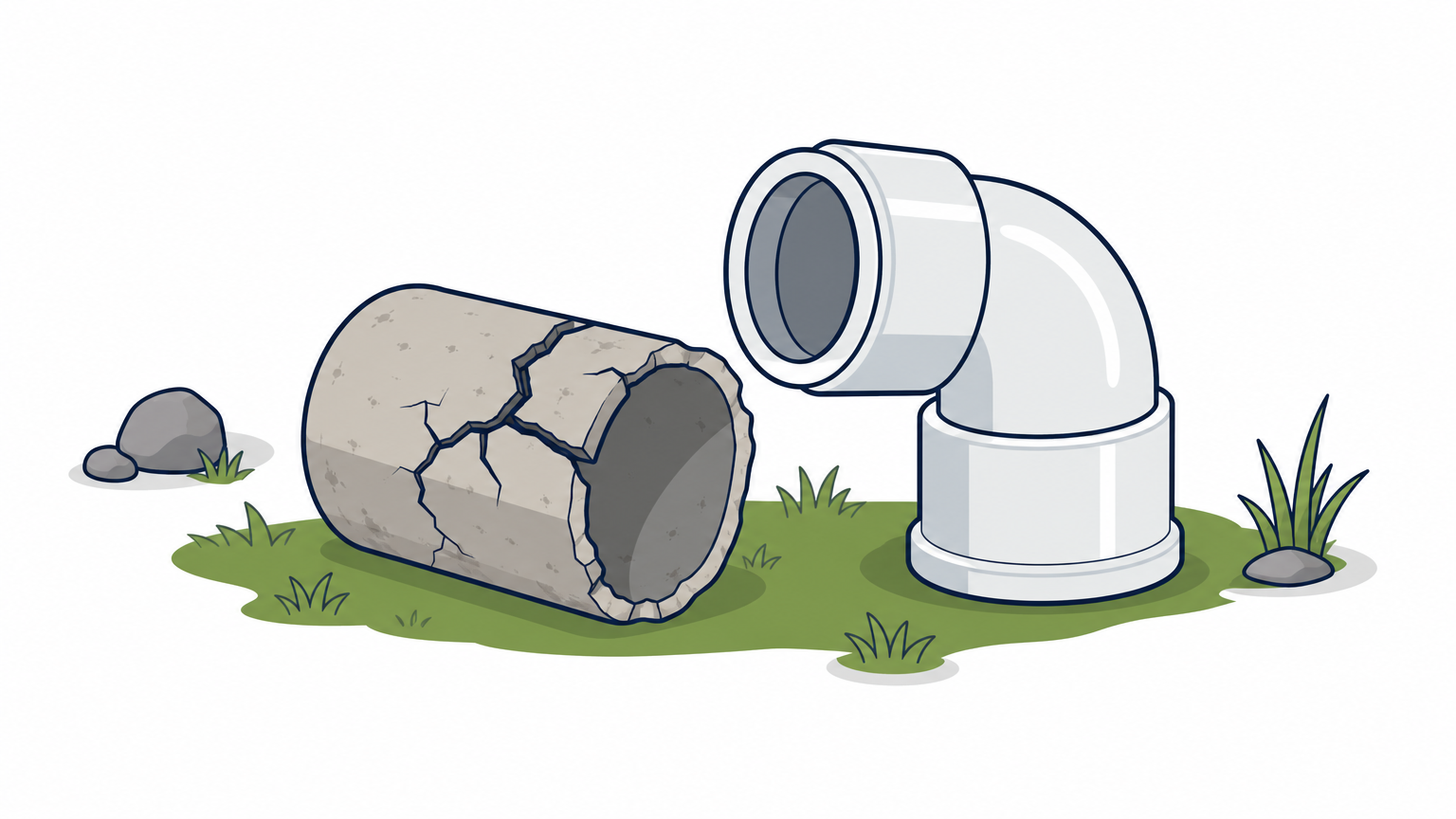
| Full zone with cracked, brittle pipe | $300 - $600 per break | New zone install may cost less than 2-3 repairs |
Taking this longer view is especially useful for cost for sprinkler repair decisions on systems approaching 15 to 20 years old, where pipe brittleness and outdated parts compound each other.
Ask for an honest opinion, not just a repair quote
Understanding your options means asking your technician directly whether repair is really the best use of your money. A contractor who's been doing this for two decades will tell you straight if you're better off cutting your losses on a failing zone versus paying for another patch job. If you're weighing a bigger decision like this, it's worth talking through your specific setup with a team that handles the full range of residential irrigation services in Sebring, from repair to new installation, so you get an honest comparison instead of a sales pitch pointed in one direction.
How to keep future repair costs down
Preventing damage costs less than fixing it, and that's the whole strategy behind lowering your sprinkler system repair cost over time. Every homeowner who calls about a mainline break or a fried controller usually skipped a small warning sign months earlier, a slow leak, a zone that ran too long, a head that was already cracked from a lawnmower hit. Catching those small issues before they turn into a $400 dig-and-repair job is the single most reliable way to keep your annual irrigation spending predictable.
Schedule seasonal system checks
Before each irrigation season, especially at spring startup after Florida's dry winter, run through every zone and watch for the same warning signs a technician would look for during a recurring sprinkler system wet check. A quick self-check twice a year catches problems while they're still cheap:
- Run each zone for a full cycle and check for weak spray, pooling, or heads that stay stuck down
- Listen for the controller clicking through zones properly instead of skipping or repeating
- Check exposed pipe fittings for green corrosion or slow drips
- Confirm your rain sensor is still wired in and shutting the system off during storms
- Walk the yard for sunken spots that suggest a slow underground leak
Catching a cracked head or a loose fitting during this walk-through turns a potential mainline repair into a $20 part swap.
The cheapest sprinkler repair is the one you catch before it becomes a repair at all.
Protect your system from Florida's climate
Central Florida throws two things at irrigation systems that most manufacturers didn't design for: sandy soil that shifts under freeze-thaw cycles in a mild winter, and summer lightning that fries controllers through the wiring. Adding a basic surge protector to your controller costs a fraction of a full unit replacement, and it's one of the cheapest upgrades you can make after any storm season. Mulch and edging around exposed valve boxes also keeps lawn equipment and foot traffic from cracking lids and snapping wire connections, which is a more common cause of sprinkler repair costs than most homeowners realize.
Upgrade smart when you replace parts
Once a component fails and needs replacing anyway, spend the small difference to upgrade rather than replacing like-for-like. A modern controller with weather-based scheduling adjusts run times automatically during rain, which cuts down on the wear that comes from overwatering. Pressure-regulated heads reduce misting and fine spray, both of which waste water and stress fittings over time. These upgrades rarely cost more than $20 to $50 extra per component but pay for themselves within a season or two through lower water bills and fewer callbacks.
Build a maintenance relationship instead of calling only when things break
Working with a company that checks your system on a set schedule catches the small stuff before it becomes an emergency call. A technician who's already familiar with your zones, your soil, and your controller settings spots trouble faster and prices repairs more accurately, since there's no guesswork about your layout. If you'd rather stop tracking all of this yourself, an ongoing irrigation system installation and maintenance plan handles the seasonal checks, adjustments, and small fixes before they turn into the kind of repair bill this article opened with.
Making sense of your next repair bill
A fair quote almost always traces back to a specific cause: a cracked head, a bad valve, a buried mainline break, or a controller that finally gave out. Once you know which category your problem falls into, the cost for sprinkler system repair stops feeling like a mystery and starts looking like a reasonable line item on your budget. Anything from $75 to $600 can be legitimate depending on what's actually broken and how hard it is to reach.
Remember that the cheapest fix is the one you catch early, and the most expensive one is the repeat visit for a system that needed replacing months ago. Trust a written estimate over a phone guess, and trust a technician who answers your questions without hesitation. If your system needs a second opinion or you'd rather hand off the seasonal checkups altogether, TWQ handles sprinkler system repair for Sebring homeowners, so you get a straight answer before you spend another dollar.